Foodshed’s Farmer Resource Hub provides professional field-based technical assistance and access to grant-funded incentive programs to build soil health and improve business outcomes. Our team of experienced farmers, TA providers, conservation planners, and soil technicians supports local farms’ regenerative practices and connects producers with local resources to help farms thrive.
We use the Ag Livelihood Report to assess key benchmarks, identifying where farms may be at risk, leveling up, or on a pathway to thriving, so support is targeted where it matters most.
We verify on-farm regenerative practices to maintain authenticity in our Food Hub’s supply chain.
NEW INCENTIVE PROGRAM JUST OPENED: Unlock Funding for Your Farm!
👉🏾✅
NEW INCENTIVE PROGRAM JUST OPENED: Unlock Funding for Your Farm! 👉🏾✅
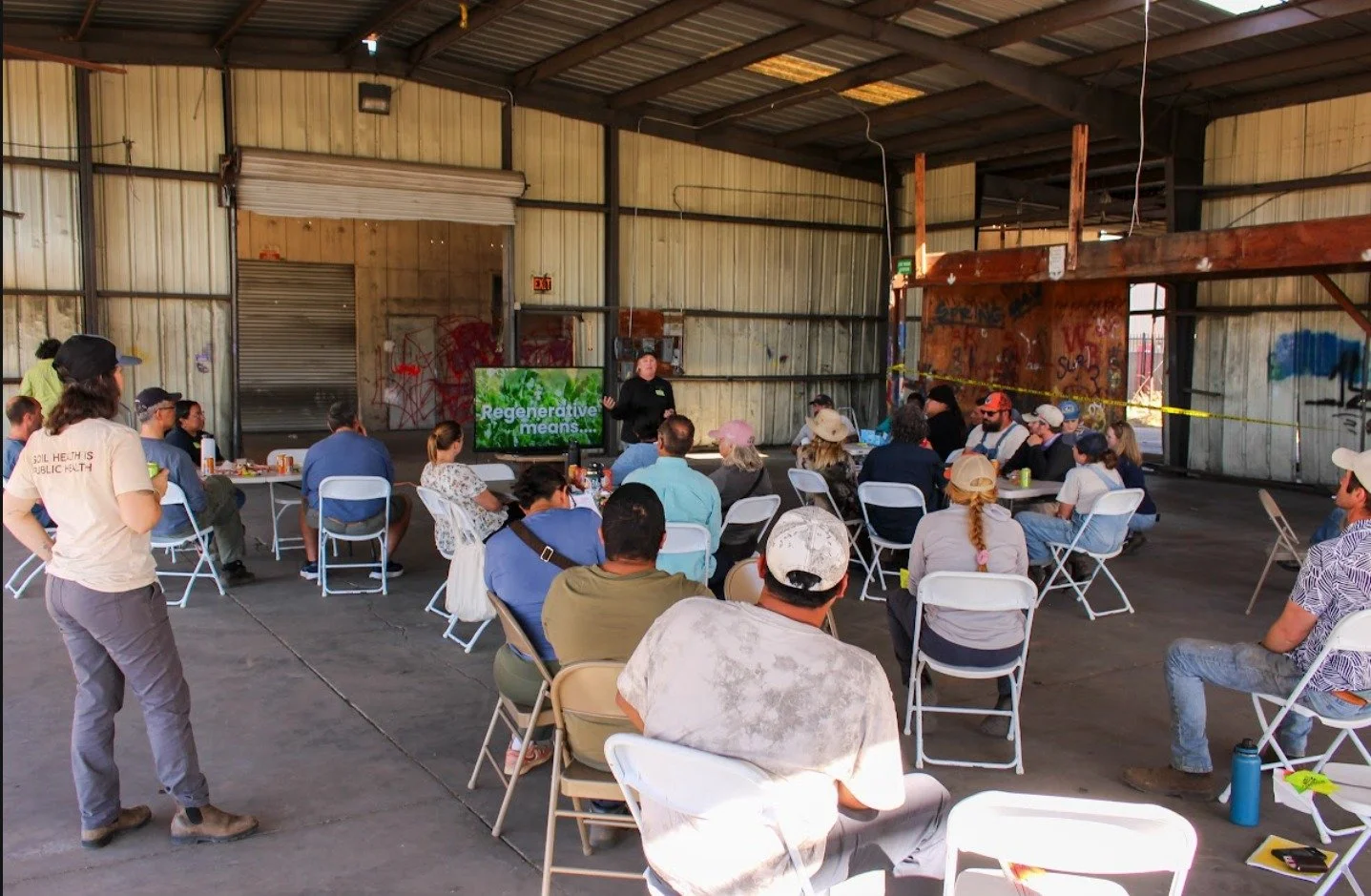
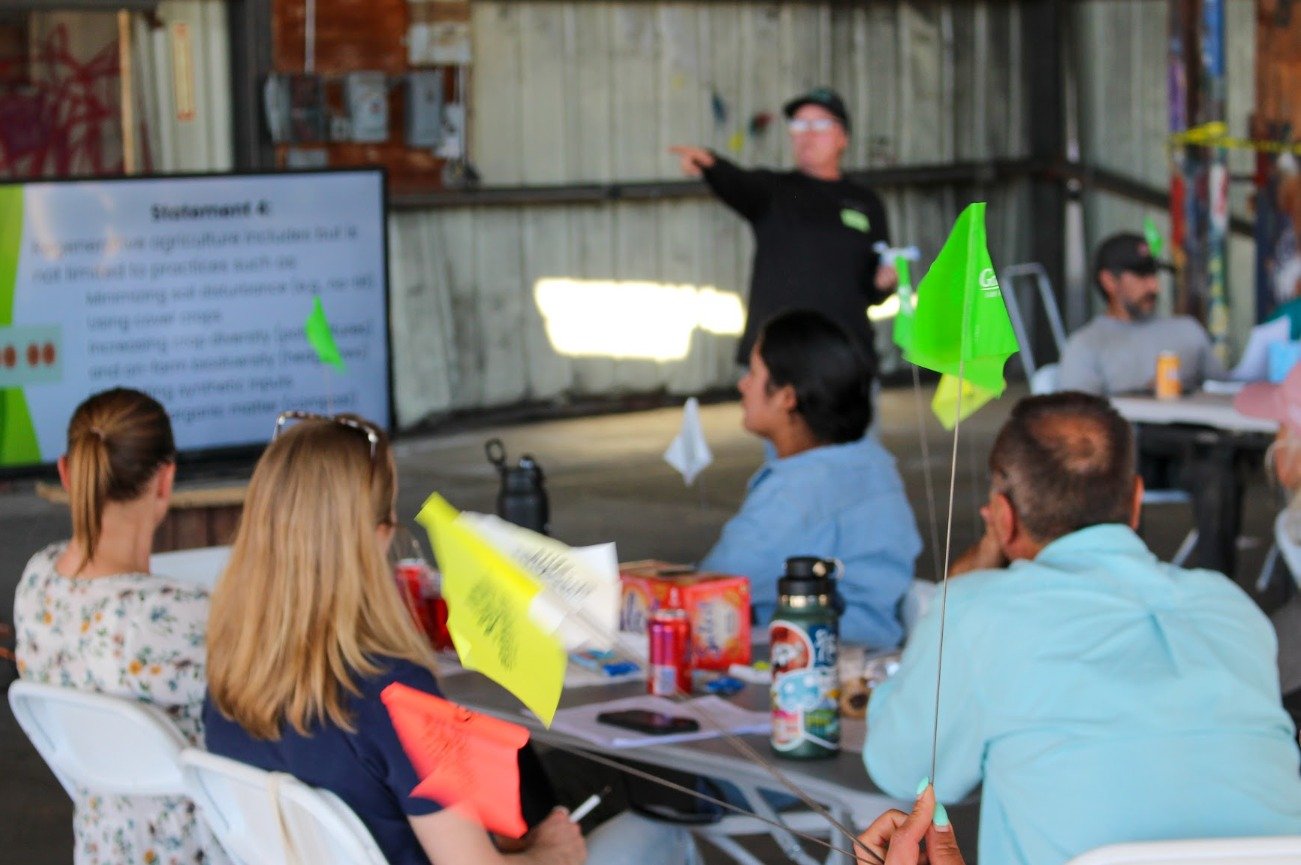
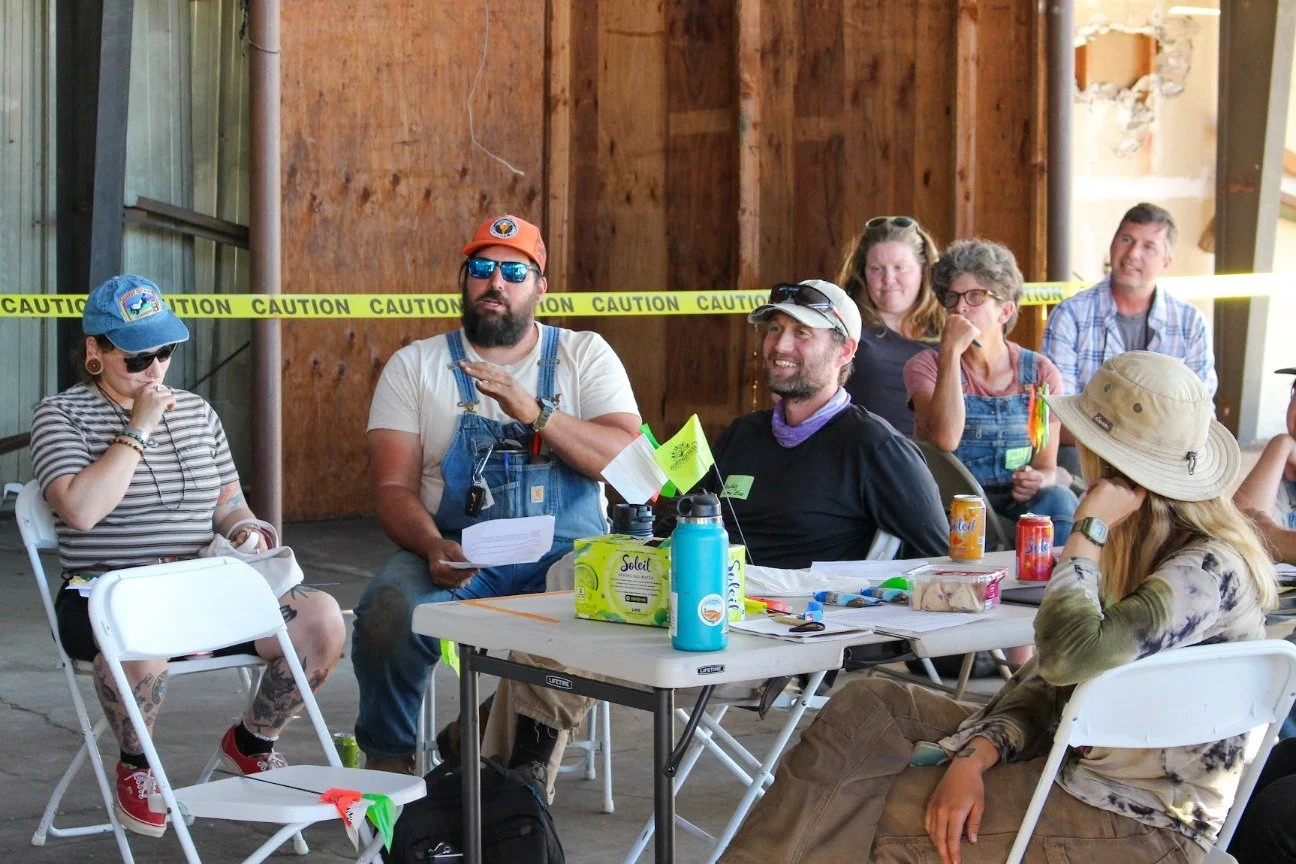
In partnership with GSDC RCD and NRCS, we hosted a workshop in March 2026 that brought farmers and agencies together to align on what “regenerative” means in practice. Through presentations and collaborative discussions, participants explored current definitions, priority practices, and the evolving funding landscape.
The result: a shared framework outlining aligned definitions and practical verification approaches shaped directly by producers' and partners’ input. This resource reflects a collective step forward in building clarity, consistency, and opportunity across regenerative agriculture efforts in the region.
Regenerative Agriculture Points of Agreement
1: Regenerative agriculture is a holistic approach to farming that aims to restore and improve ecosystems—especially soil—while producing food.
2: Regenerative agriculture is a set of evolving best practices that is measured by improved outcomes (e.g., healthier land, ecosystems, and people).
3: Regenerative agriculture currently includes, but is not limited to, practices such as:
Minimizing soil disturbance (e.g., no-till)
Using cover crops
Increasing crop diversity (polycultures) and on-farm biodiversity (hedgerows)
Working towards the elimination of synthetic inputs
Recycling organic matter (compost)
4: Certified organic agriculture can be, but is not necessarily aligned with regenerative principles.
5: Biological indicators that can be used to measure soil health outcomes include:
Organic matter
Active microbial life (soil respiration)
Diverse soil food web
Nutrient density of crops
6: It is practical to assume that utilizing regenerative practices will lead to improved soil health indicators.
7: The following definitions should be applied to Regenerative Agriculture:
Certification = a robust, third-party audit of a fixed set of standards
Verification = a second-party validation that soil health practices have been implemented
8: It is important for community food hubs to verify regenerative practices to retain legitimacy in the marketplace. It is essential for farmers to inform the verification processes.
Our TA Services
Need TA support to move your farm forward? Our team offers customized, fee-for-service support tailored to your operation. From food safety and market readiness to soil health, planning, and practice implementation verification. Whether you're scaling sales, improving on-farm systems, or navigating requirements, we bring practical, field-based expertise to help you get it done efficiently and confidently.
Technical Assistance
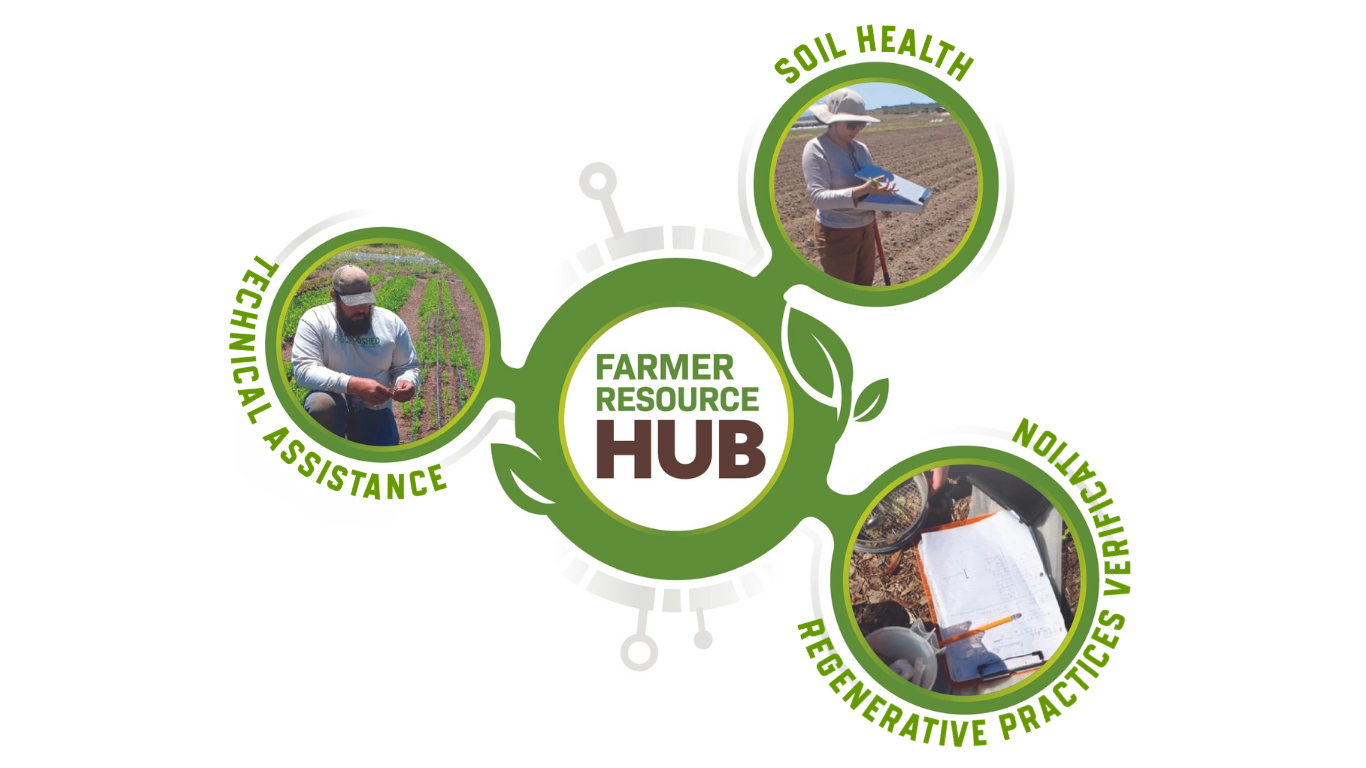
Get personalized, on-the-ground TA. Our team provides one-on-one support in regenerative farming practices, including crop production, pest management, and water stewardship. Through site visits, mentorship, and a customized action plan, we help you identify next steps, potential funding opportunities, and pathways to implementation, including support to develop a Carbon Farm Plan tailored to your land and goals.
Soil Health
Healthy soil is the foundation of productive, resilient farms. Our comprehensive soil health assessments provide a deeper understanding of your soil’s biological activity and overall function. Using in-field evaluations, Solvita and MicroBIOMETER testing, lab analysis, and detailed reporting, we assess CO₂ respiration, microbial biomass, fungal-to-bacterial ratios, and soil functions. These insights help you make informed management decisions that improve productivity, resilience, and long-term soil performance.
Regenerative Practices Verification
Stand out in the marketplace with a verification that showcases your on-farm regenerative practices. Designed for individual farmers and food hubs alike, our streamlined process combines site visits, soil testing, and simple digital documentation through Heavy Connect. From compost and cover crops to reduced tillage and high tunnels, we help position your produce for greater visibility and expanding market opportunities.
Sliding scale rate from $48-$120/hour. Reach out for an estimate and more information.
Meet the Team
-
![]()
Alex Trimm
System Change Manager
Growing up in San Diego, Alex developed a passion for local food systems—a passion she now combines with her data analytics background to support local farms. With over six years of experience in project management and building effective data systems, she specializes in leveraging historical data trends to guide future decisions. Alex holds a data certification with specializations in Excel, Google Sheets, and Tableau and can assist by making data-driven insights accessible to small farms.
-
![]()
Bea Alvarez
Farmer Resource Hub Lead
Bea has been part of Foodshed since its inception in 2020, working directly with farmers to oversee Soil Health Assessments and support the implementation of resilient farming practices. As a certified Permaculture Designer and Carbon Farm Planner through the Carbon Cycle Institute, she brings a systems-thinking approach to soil health and farm planning. Bea is currently advancing her expertise through the Technical Service Provider Professional Course Series at CSU Chico’s Center for Regenerative Agriculture.
-
![]()
Andi Kaffai
Farmer Resource Navigator
Andi Kaffai is an agricultural professional with a B.S. in Agricultural Science from California Polytechnic State University, specializing in sustainable and regenerative farming practices. With experience managing operations at regenerative/organic farms and community gardens, she has developed expertise in farm logistics, customer relations, and educational program development. Andi offers grant writing assistance, strategic grant application planning, as well as loan readiness and application services to help farm businesses secure the funding they need. Fluent in both English and Spanish, she is committed to making financial resources more accessible to underserved small family farmers.
-
![]()
Hernan Cavazos
Farmer-to-Farmer Mentor
Hernan co-founded Solidarity Farm in 2012 and has grown diversified specialty crops, eggs and chickens for more than a decade. In 2020, he was recognized as California’s Climate Smart Farmer of the Year. He has mentored more than 50 aspiring farmers and provided one-on-one production troubleshooting to Foodshed’s network of farmers over the past 6 years. He specializes in small farm solutions and production planning.
-
![]()
Elle Igoe
Grant Writing Specialist
Ellee has 20 years of experience writing grants for food and farming projects with a success rate over 90%. She draws on experience as a commercial farmer, director of Solidarity Farm School, co-founder of Foodshed Cooperative and the national advisor for Food and Farming Programs at the International Rescue Committee. She specializes in pairing the right project with the proper funding source, developing feasible and scalable project designs and aligning objectives with a viable budget.