

Food Hub Ready Resource Center
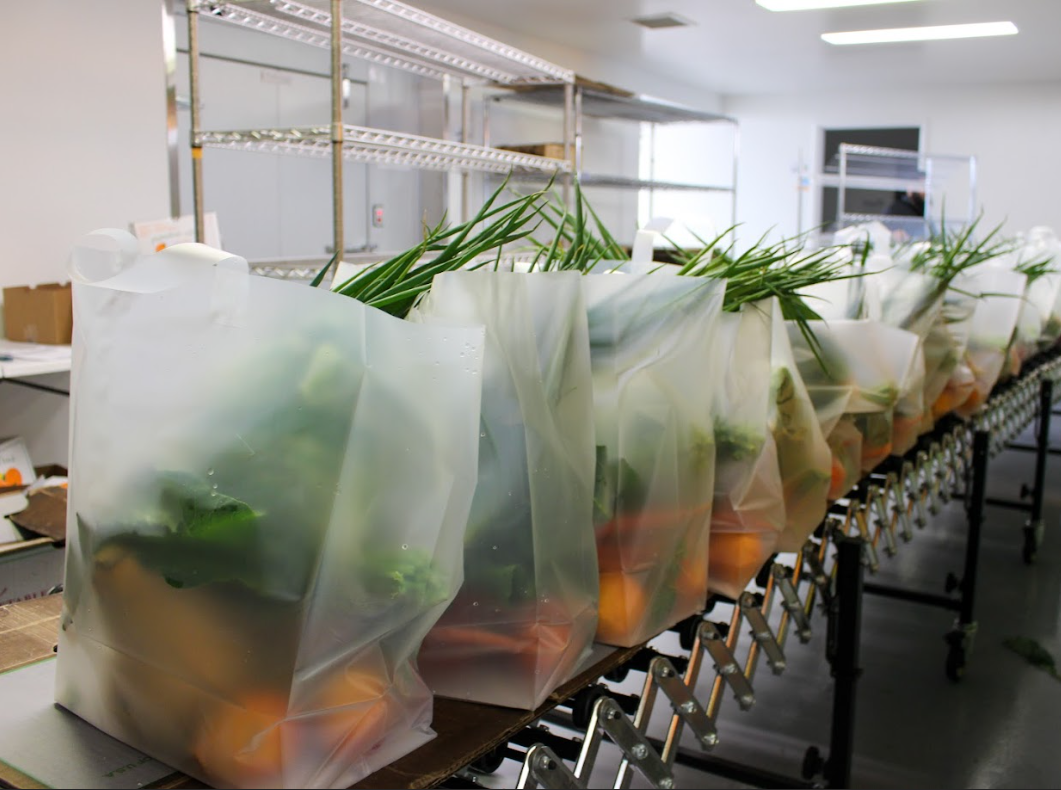
As the San Diego Food Hub continues to grow and expand into larger institutional markets, our food safety and documentation requirements are evolving too. Food Hub Ready is designed to help farms meet these requirements and be prepared to begin—or continue—selling through the Food Hub.
Farms that have been onboarded since January 2026 are already completing the Food Hub Ready requirements as part of their onboarding process. For our legacy Food Hub producers, the new requirements will be introduced in phases to provide time and support to complete the transition.
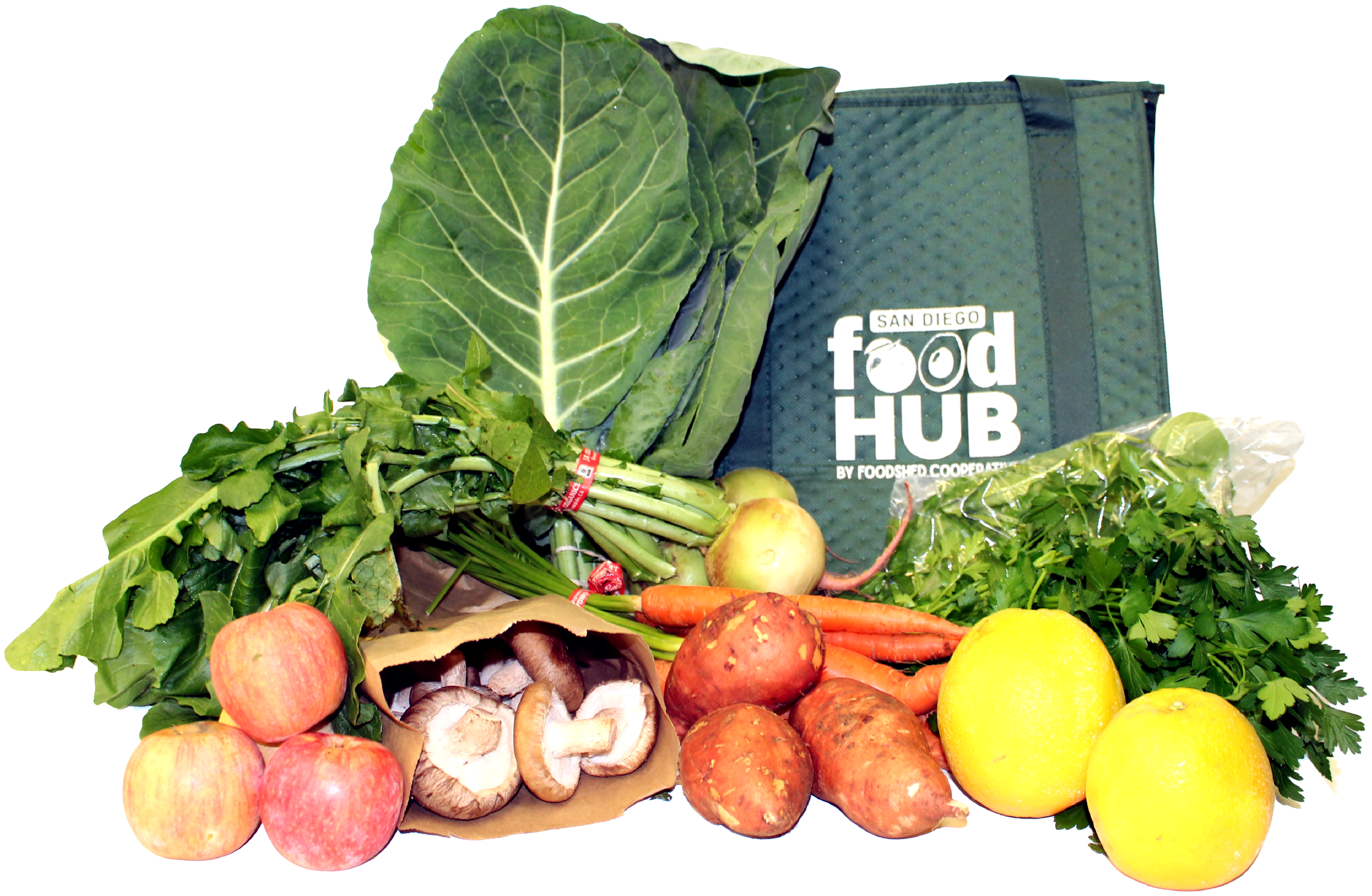
About this Resource Center
This page is an evolving resource library designed to support you throughout the process. Here you’ll find requirements and deadlines, templates, guides, useful links, videos, and technical assistance resources. We’ll continue adding and updating resources as they become available.
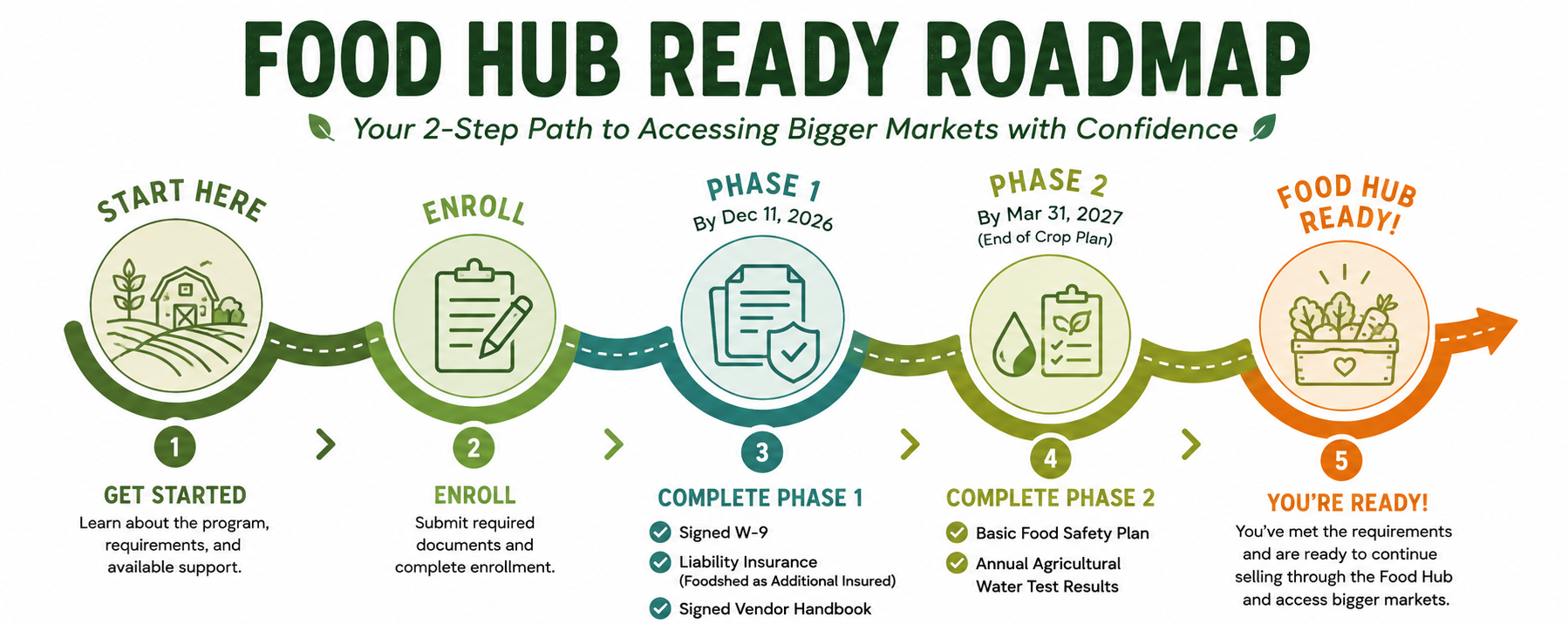
Follow the Food Hub Ready Roadmap below to see what you need to complete, when it is due, and where to find support.
Not sure where to start? Follow the Food Hub Ready Roadmap below to see what is required, when it is due, and where to find support.
You may qualify for $ 2,500 Participation Incentive
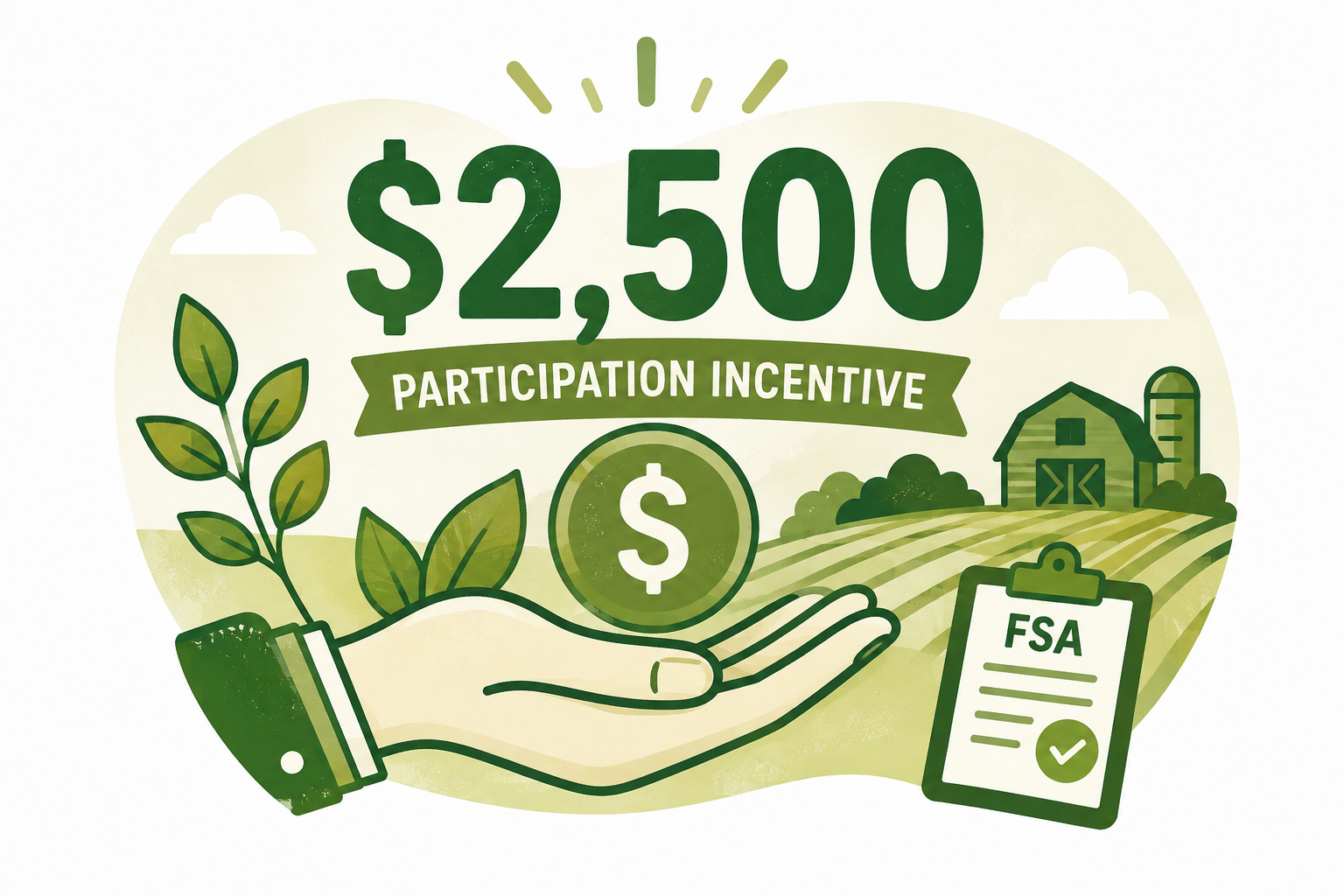
Have a USDA Farm Service Agency (FSA) Farm Number? You may qualify for a $2,500 incentive for completing Food Hub Ready requirements.
Don't have an FSA Farm Number? Learn how to register and become eligible.
-
To qualify for incentives and receive payments from federal funding, a Farm ID # from the USDA FSA office is required.
-
Applying to obtain your FSA Farm ID # is a simple process:
Email your local FSA Office Program
San Diego/Riverside
Indio Service Center
Farm Service Agency OfficeContact
Arlene Elenes
Email subject line: County Name - AMP/Foodshed Incentive Program
Documentation Needed / FSA ID Requirements:
Download and complete the AD-2047 Customer Data worksheet for the person or entity operating the farm. One for each owner if there is more than one. (If the land is leased, one is needed for the lessee and one from the owners as well. No need to submit the lessee tax ID number).
Current property tax or Grant Deed to the land (If the land is leased, you’ll submit a valid lease.)
A Google map image with the land/property boundaries delineated.
Turnaround is about 4-6 weeks
Complete by December 11, 2026
Complete these three requirements to stay on track toward Food Hub Ready verification.
Phase 1 Requirements
SIGNED W-9
Submit a current, signed W-9 with your farm or business information. Foodshed uses this information for vendor and payment records.
-
Complete, sign, and send the current form to Foodshed via email.
SIGNED VENDOR HANDBOOK
Review the current Food Hub Vendor Handbook and submit the required signed acknowledgment.
-
Download the Vendor Handbook
-
Please complete this documentation by December 11 2026.
-
Description text goes here
GENERAL LIABILITY INSURANCE
Provide a current Certificate of Insurance (COI) showing Foodshed as an Additional Insured.
-
Food hubs require minimum Farm General Liability Insurance: All participating producers and vendors should carry their own General and Product Liability Insurance. Standard minimums are typically $1,000,000 per occurrence, / General Aggregate: $2m. (Renewed Annually).
Collect Certificates of Insurance (COIs): A physical COIs is required.
Additional Insured Status: Require for the food hub to be named as an "Additional Insured" on the producers' policies.
-
Farms in our network have work with some of the following local brokers:
Alyssa Wilcox - Heights Park Insurance Services
2100 4th Street, #C211
San Rafael, CA 94901
(619) 432-2810
Arlan Knutson Insurance
Fallbrook Office
425 East Alvarado Street, Suite H
Fallbrook, CA, 92028
(760) 451-9835
https://www.arlanknutsoninsurance.com/farm-insurance
Snapp & Associates Insurance Services
-
Description text goes here
Phase 2
Please complete this requirement by March 31, 2027 (End of current Crop Plan)
Basic Food Safety Plan
Annual Agricultural Water Test
Food Hub Ready FAQ
-
To qualify for incentives and receive payments from federal funding, a Farm ID # from the USDA FSA office is required.
Applying to obtain your FSA Farm ID #:
Email your local FSA Office Program
San Diego/Riverside
Indio Service Center
Farm Service Agency OfficeContact
Arlene Elenes
Email subject line: County Name - AMP/Foodshed Incentive Program
Documentation Needed / FSA ID Requirements:
Download and complete the AD-2047 Customer Data worksheet for the person or entity operating the farm. One for each owner if there is more than one. (If the land is leased, one is needed for the lessee and one from the owners as well. No need to submit the lessee tax ID number).
Current property tax or Grant Deed to the land (If the land is leased, you’ll submit a valid lease.)
A Google map image with the land/property boundaries delineated.
Turnaround is about 4-6 weeks
-
Please submit all required documentation for Phase 1 via email.
For Phase 2 documentation, you will receive resources and access to use HeavyConnect, a platform you can use right from your phone or your laptop to log activities, and checlist related to your Food Safety Plan. -
Any farmers who have been onboarding since January 2026 have already gone through this process.
For our legacy producers, we will be requiring this documentation in phases.Phase 1: By December 11, 2026 Foodshed will be requiring a signed W9, proof of general liability insurance with Foodshed added as an additional insured, and a signed copy of the new vendor handbook
Phase 2: By March 31, 2027 (the end of the upcoming crop plan), we will be requiring proof of a basic Food Safety Plan and annual water testing results.
-
A Copy of a Certificate of Liability Insurance including Foodshed as an additional insured is required if you currently sell, or plan to sell, through the SD Food Hub. Each Occurrence: $1,000,000/General Aggregate: $2m. (Renewed annually).
If your farm is not onboarded into the SD Food Hub a general Certificate of Liability Insurance is still required to be Food Hub Ready! -
A Food Safety Plan documents how you prevent contamination risks on your farm. Your plan should cover water quality, compost sourcing, worker hygiene, equipment sanitation, and pest management.
We provide a basic template you can customize for your operation. Once completed, you’ll have access to Heavy Connect, our reporting and verification platform.
-
The main focus of water testing is checking for microbial contamination, particularly generic E. coli and other harmful pathogens. You must test irrigation and other water that contacts your produce for microbial contamination. The requirement applies to cropland producers with irrigation from wells, ponds, or streams, and to orchard producers using overhead irrigation. If you use drip irrigation under plastic on tree crops like citrus or avocados where water doesn't reach the fruit, testing may not be required.
